
Behind the Scenes and Deep Dive at Esqueleto Explosivo 2 Slot
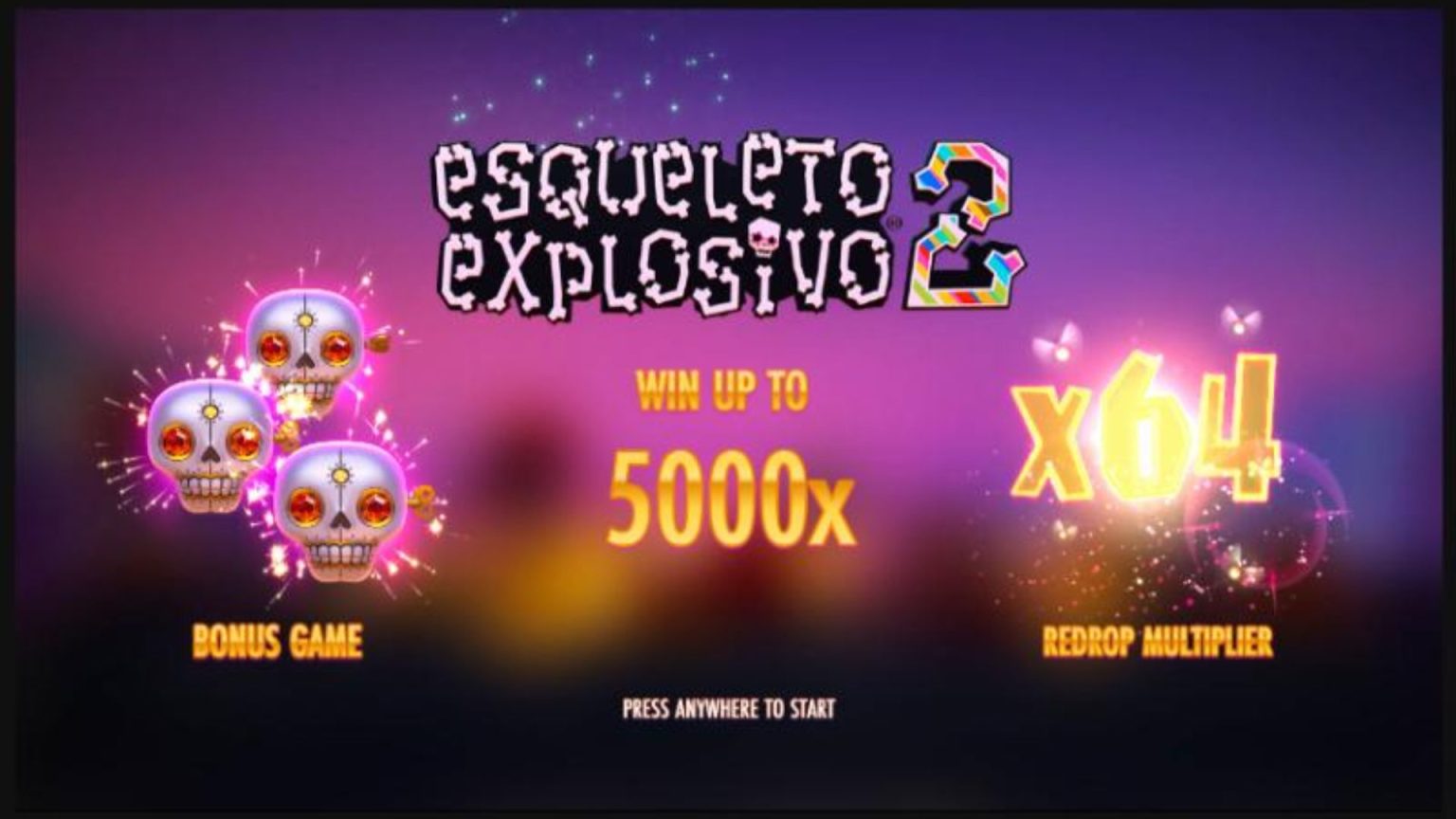
As someone who has followed the progression of online slots for years, I find that truly creative games are rare. When Esqueleto Explosivo burst onto the scene, it was a lively, chaotic, and utterly unique experience that established its own niche. Now, the sequel, Esqueleto Explosivo 2 Slot, has come, pledging to amplify everything players enjoyed. To grasp the innovative force behind this thrilling follow-up, I pursued direct insights from the development team. This article uncovers the creative approach, technical challenges, and design selections that crafted this remarkable title, delivering a rare look into the studio’s process from initial concept to the final, fiery release.
The Core Concept: Developing the Dynamic Formula
The initial Esqueleto Explosivo was a runaway success, characterized by its cascading wins, increasing multipliers, and a lively Mexican Day of the Dead theme. The key difficulty for the developers wasn’t just creating a sequel, but enhancing a cherished formula without sacrificing its soul. The core directive was “more dynamism, more engagement, and more strategic depth.” They recognized that while players adored the escalating tension of the original, they sought more avenues for influence and bigger prospective peaks. This resulted in the basic notion of the Nitro Feature, a player-triggered bonus that functions as a strategic layer on top of the already volatile base game. The goal was to transform a purely reactive experience into one where players could, at key moments, experience a sense of agency, opting when to insert pure chaos into the reels for potentially monumental rewards.
Another key aspect was enhancing the audiovisual spectacle while preserving clarity. The team knew the sequel needed to feel instantly familiar yet visually superior. They improved the skeleton characters, giving them more personality and smoother animations, and substantially enhanced the particle effects for explosions and cascades. The soundtrack and sound design got equal attention, with more layered music that responds to gameplay intensity and sharper, more impactful sound effects for every tumble and win. This careful attention to sensory detail ensures that every spin is an immersive event, expanding on the original’s strong identity rather than merely replicating it.
Sound Design and Sound Identity
In a slot as visually dense as Esqueleto Explosivo 2, sound design is crucial in directing the player’s feelings. The audio team described their strategy as “orchestrated chaos.” The foundational track is an genuine, upbeat mariachi tune, but it’s dynamically layered. During the base game, it keeps a festive but steady tempo. As a cascade sequence kicks off and the multiplier increases, brass instruments swell, and the percussion becomes more pronounced, subtly amplifying the excitement without overpowering the player. The most dramatic audio shifts are kept for the Nitro Feature and big wins, where the music hits a crescendo paired with a riot of festive sound effects.
Every individual element has a unique sonic signature. Different skeleton symbols have their own short musical stings when involved in a win. The cascade itself is accompanied by a gratifying “pop” and tumbling sound, while the multiplier increasing is signaled by a definite, rising tonal cue. This thorough audio feedback is essential; it lets players to grasp just what is occurring on the reels even if they only look at the screen. The team emphasized that great slot audio isn’t just background music; it’s a key information delivery system and an feeling driver, making wins feel more concrete and the overall experience more unified and refined.
Graphics and Motion: Infusing Energy into the Undead Crew
The aesthetic of Esqueleto Explosivo 2 is cleverly understated. Attaining that sweet spot between whimsical allure and dark humor required countless iterations. The artists explained that the skulls needed to be lively and dynamic, not scary, with their sugar skull designs carefully crafted to be intricate yet readable on tiny handheld devices. Every persona, from the lead skeletal musician to the accompanying performers, was assigned a individual color set and prop collection to enhance visual interest during the frenetic gameplay. The scene was deepened, incorporating more scrolling depth effects and festive details like drifting bunting and twinkling lights, crafting a world that appears lively and expansive.
Animation was where the real technical mastery stood out. The programmers implemented a sophisticated bone-based animation framework, allowing for fluid, joint-based movement of the characters. This is most evident in the triumph sequences; when a major payout triggers, the entire crew explodes into a synchronized dance that is simultaneously a prize and a spectacle. The tumbling system itself is an graphic achievement. Instead of symbols just vanishing, they are shattered with tailored graphic bursts, and new symbols fall into place with believable physics. The team dedicated many weeks fine-tuning the timing and “weight” of these cascades to make them seem gratifyingly hefty and powerful, a key element in sustaining user interest through extended win streaks.
Math and Mechanics: Developing the Nitro Feature
The math model, or arithmetic behind the slot, is its hidden engine. For Esqueleto Explosivo 2, the main challenge was integrating the fresh Nitro Feature without compromising the delicate balance of the original cascade system. The core game retains the beloved increasing multiplier that grows with every successive cascade, resetting solely on a losing spin. The creators studied extensive data from the first game to establish a payout frequency and risk level that felt familiar yet fresh. The Nitro Feature, triggered by gathering nitro symbols, was created as a regulated risk surge. When activated, it assures a cascade by replacing low-value symbols, but its position is random, generating moments of great anticipation.
Fine-tuning this feature was a challenging job. The crew performed thousands of simulations to make sure the Nitro meter charged at a speed that seemed gratifying but not too regular, keeping its exclusive feel. They also had to adjust the power of the Nitro explosions to provide substantial winning possibilities without ensuring the base game remains exciting in contrast. The result is a slot with a dual-layer volatility: the constant, rising pressure of the main game punctuated by the thrilling, high-risk events of the Nitro activation. This produces a more varied pace, resonating with players who like both extended play sessions and the hunt for dramatic, feature-driven wins.
Development Obstacles and Optimization Challenges
Developing a slot with this level of constant animation and real-time particle effects posed significant technical hurdles. The primary challenge was securing seamless performance across all devices, slot esqueleto explosivo 2 minimum deposit, from high-end desktops to older smartphones. The developers built a custom rendering pipeline to process the hundreds of animated sprites and particles that can be on screen simultaneously during a large cascade. They implemented level-of-detail systems that automatically reduce visual complexity on less powerful devices without sacrificing the core game feel, ensuring the explosive personality remained intact even on smaller screens.
Another major focus was the game’s memory management. With high-resolution assets for numerous symbols and animations, loading times were a concern. The team used advanced texture atlasing and asset streaming techniques to keep the initial load quick and ensure smooth transitions during gameplay. The sophisticated cascade and multiplier logic also needed robust and bug-free code to address edge cases, like multiple Nitro triggers in a single spin. Rigorous testing across a vast matrix of devices and network conditions was crucial to deliver the stable, polished experience players expect from a major studio release, where a single graphical glitch or lag spike can shatter immersion.
User Feedback and Cyclical Process
The development of Esqueleto Explosivo 2 was not conducted in a vacuum. Early prototypes were exposed to focus groups including both fans of the first game and new players. The designers closely observed which elements generated excitement and which led to confusion. Initial designs for the Nitro meter, for example, were more intricate, involving different nitro types. Feedback revealed this was excessive, leading to the refined, single-meter system seen in the release game. Similarly, early versions had a more subdued color selection, but testers consistently said it lacked the energy of the original, steering the artists back toward more vibrant, more saturated colors.
This cyclical process extended to the game’s pacing. Data from game tests indicated that while players loved the big multiplier jumps, there could be long stretches without a Nitro trigger. The group modified the symbol arrangement and meter fill frequency to create a more steady flow of smaller excitements between the major bonus events. This user-focused approach was fundamental; it made sure the game was being shaped not just by blueprints, but by authentic human responses and interaction patterns, leading to a ultimate product that appears calibrated for entertainment rather than just conceptual rules.
